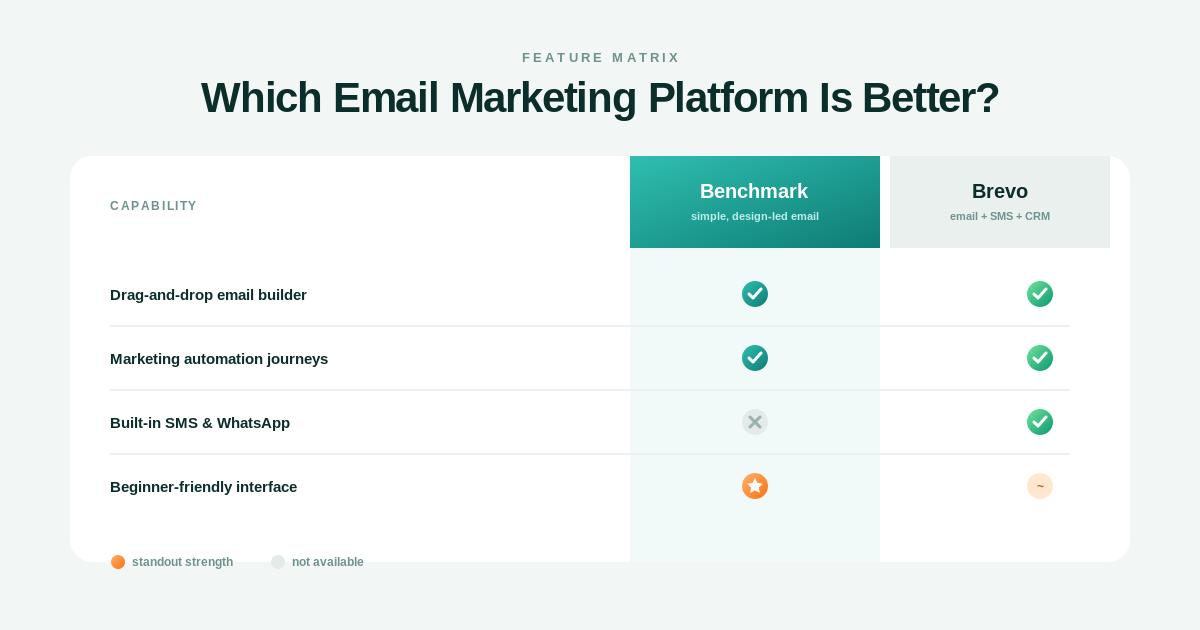
Guide
Benchmark Email: Complete Guide to Email Marketing, Automation, and Campaign Management
Deals Stacks
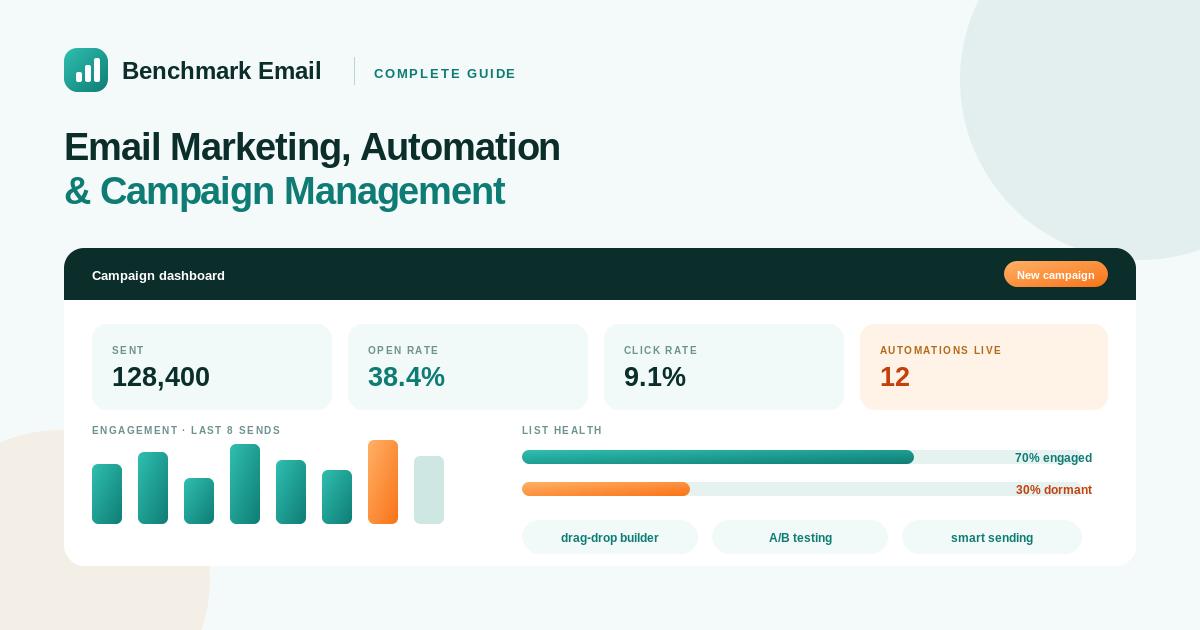
Benchmark Email: Complete Guide to Email Marketing, Automation, and Campaign Management
Email marketing remains one of the most useful ways for businesses to communicate with customers, promote products, share updates, and build long-term relationships with their audience.
But creating effective email campaigns can become difficult when you have to manage designs, subscriber lists, automation, personalization, sending schedules, and campaign reports separately.
Benchmark Email brings these activities together in one email marketing platform. It is designed to help businesses create professional emails, organize contacts, automate campaigns, collect new subscribers, and understand how their emails are performing.
The platform focuses on keeping email marketing simple while still providing features for growing businesses, marketers, nonprofits, retailers, and other organizations.
In this complete guide, we’ll explore what Benchmark Email is, how it works, its major features, pricing, benefits, limitations, and how businesses can use it effectively.
What Is Benchmark Email?
Benchmark Email is an email marketing and automation platform that helps businesses create, send, manage, and measure email campaigns.
The platform provides tools for:
Email newsletters
Promotional campaigns
Marketing automation
Contact management
Audience segmentation
Signup forms
Landing pages
Personalization
Email reporting
Integrations
AI-assisted content creation
Email deliverability
One of Benchmark’s main selling points is simplicity. Its drag-and-drop editor allows users to create emails without needing coding or design experience.
The platform also supports HTML editing for users who want more control over their email designs.
Who Is Benchmark Email For?
Benchmark Email can be useful for a wide range of organizations.
Small Businesses
Small businesses can use Benchmark to send newsletters, promotions, announcements, and customer updates without needing a dedicated marketing team.
E-commerce Businesses
Online stores can use email campaigns to communicate with customers, promote products, and encourage repeat purchases.
Nonprofits
Nonprofit organizations can use email to communicate with supporters, share updates, promote campaigns, and maintain relationships with their communities.
Agencies
Agencies managing campaigns for different clients can use contact management, reporting, and account features to organize email marketing activities.
Marketers
Marketing professionals can use segmentation, personalization, automation, and reporting to build more targeted campaigns.
Key Features of Benchmark Email
1. Drag-and-Drop Email Builder
One of Benchmark Email’s core features is its visual email editor.
You can build an email by selecting content blocks and arranging them within your design.
Common elements include:
Text
Images
Buttons
Headings
Social icons
Menus
Content sections
Layout blocks
This makes it possible to create professional-looking emails without writing HTML.
Benchmark also provides professionally designed templates for users who don’t want to start from scratch.
2. AI Writing and Smart Text
Benchmark Email includes AI-assisted writing capabilities that can help marketers improve their email content.
The Smart Text functionality can assist with tasks such as:
Correcting grammar
Improving tone
Rewriting text
Expanding content
Summarizing content
Refining email copy
Improving subject lines
This can be especially useful when you have the basic idea for an email but need help turning it into polished marketing copy.
3. AI-Generated Images
Visual content is important in modern email campaigns.
Benchmark provides AI image generation capabilities that allow users to create visuals from simple instructions.
This can help marketers create campaign graphics without having to search for a suitable image every time.
The platform also provides access to stock images and supports image-based email content.
4. Email Templates
If you don’t want to design every campaign from the beginning, Benchmark provides ready-made templates.
Templates can help you create:
Newsletters
Promotions
Announcements
Product emails
Event invitations
Seasonal campaigns
You can customize the template according to your brand before sending it to your subscribers.
5. Contact Management
A successful email strategy depends heavily on good contact management.
Benchmark allows you to organize subscribers using:
Lists
Tags
Custom fields
Filters
Contact activity
Segments
You can store additional information about subscribers and use that information to create more targeted campaigns.
For example, you could create separate groups for:
New Subscribers
Existing Customers
VIP Customers
Highly Engaged Subscribers
Inactive Contacts
This makes it easier to send relevant messages to the right audience.
6. Audience Segmentation
Sending the same email to everyone isn’t always the best strategy.
Benchmark allows marketers to segment contacts based on different criteria.
You could create segments based on:
Subscriber activity
Location
Interests
Customer information
Tags
Custom fields
Previous interactions
For example, instead of sending a general promotion to your entire database, you could send a specific campaign only to subscribers who have shown interest in a particular product category.
Better targeting can lead to more relevant communication and stronger engagement.
7. Signup Forms
Growing your email list is another important part of email marketing.
Benchmark provides signup form tools that allow businesses to collect new subscribers.
You can create forms for:
Websites
Landing pages
Blog pages
Campaigns
Lead-generation activities
Forms can collect standard information such as names and email addresses, as well as custom information when required.
You can also automatically add new subscribers to specific lists or apply tags when they sign up.
8. Landing Pages
Benchmark Email also provides landing-page functionality for marketers who want to collect leads without building a separate page from scratch.
A landing page can be used for:
Newsletter signups
Lead magnets
Product promotions
Event registrations
Special offers
Campaigns
This makes it easier to connect your lead-generation activity with your email list.
9. Marketing Automation
Automation allows businesses to send emails automatically based on subscriber actions or predefined conditions.
For example, you could create a workflow like:
New Subscriber
↓
Welcome Email
↓
Educational Email
↓
Product Recommendation
↓
Special Offer
This means you don’t have to manually send every message.
Benchmark provides both lighter automation capabilities and more advanced automation functionality depending on the account setup and plan.
Automation can save time while creating a more consistent customer experience.
10. Personalized Emails
Personalization can make emails feel more relevant.
Instead of sending:
Hello Customer
you could use subscriber information to create a more personalized message.
For example:
Hello Sarah,
Benchmark supports personalization through contact data and merge fields.
You can use information such as:
First name
Location
Custom contact fields
Other stored subscriber information
Personalized subject lines and content can help make campaigns feel less generic.
11. Email Scheduling
Timing can influence how people respond to an email.
Benchmark allows marketers to prepare campaigns in advance and schedule them for a specific time.
This is useful when you want to:
Plan weekly newsletters
Schedule promotional campaigns
Prepare holiday campaigns
Coordinate product announcements
Maintain a consistent publishing schedule
Scheduling also allows marketing teams to prepare campaigns ahead of time rather than sending everything manually.
12. Email Reporting and Analytics
Sending an email is only the first step.
You also need to understand what happened after the campaign was delivered.
Benchmark provides reporting tools that help marketers review campaign performance.
You can monitor metrics such as:
Opens
Clicks
Link activity
Subscriber activity
Campaign performance
Engagement trends
The contact activity feed can also help marketers understand subscriber interactions in real time.
This information can be used to improve future campaigns.
13. Email Deliverability
Getting an email into the inbox is just as important as creating the email itself.
Benchmark provides tools and guidance around email deliverability, including domain authentication and sending infrastructure.
The platform states that its sending infrastructure uses Amazon SES and provides domain-authentication guidance to help users configure their sending domains properly.
Good deliverability practices include:
Using a verified sending domain
Keeping contact lists clean
Avoiding spammy content
Removing inactive contacts when appropriate
Sending relevant emails
Monitoring engagement
Deliverability isn’t something that can be solved by software alone. Good list management and responsible sending practices are equally important.
14. Integrations
Benchmark Email can connect with other tools so businesses don’t have to manage subscriber data manually across different systems.
The platform supports integrations and API access, while Zapier can be used to connect Benchmark with thousands of other applications.
These connections can help automate tasks such as:
New Lead → Benchmark Contact
New Signup → Email Automation
Customer Data → Subscriber List
Campaign Data → Reporting Workflow
Integrations are especially useful when email marketing is part of a larger technology stack.
15. API Access
Businesses with custom systems can use Benchmark’s API capabilities to connect email marketing with their own applications.
For example, an organization might use the API to:
Add subscribers
Update contact information
Retrieve campaign information
Connect internal systems
Synchronize customer data
This makes Benchmark more flexible for businesses that need custom workflows.
16. Benchmark Email Pricing
Benchmark Email currently offers a free plan along with paid options.
Free Plan
The current free plan includes:
Up to 500 contacts
Up to 2,500 email sends per month
Email builder
Lists
Tags
Contact activity
Forms
Reports
One user
One verified sending domain
Pro Plan
The Pro plan currently starts at around $19 per month, with pricing increasing based on the number of contacts.
It provides higher sending limits and additional capabilities for growing email programs.
Enterprise
Benchmark also offers an Enterprise option for larger organizations with higher contact volumes and additional support requirements.
Pricing is customized according to the organization’s needs.
Because pricing and plan limits can change, businesses should review the current plan details before making a purchase decision.
Benchmark Email Free Plan: Is It Worth Using?
For someone just starting email marketing, the free plan can be a useful way to test the platform.
You can create emails, manage contacts, build forms, and explore reporting without immediately paying for a subscription.
This makes it suitable for:
Small businesses
New newsletters
Personal projects
Early-stage startups
Nonprofit campaigns
Beginners learning email marketing
The main limitation is the contact and sending allowance.
As your audience grows, you may eventually need to move to a paid plan.
Benefits of Benchmark Email
Easy to Use
Benchmark is designed for users who don’t want a complicated email marketing platform.
The visual editor and templates make campaign creation straightforward.
Strong Email Design Tools
The drag-and-drop builder provides a simple way to create professional emails without coding.
Useful Contact Management
Lists, tags, filters, and custom fields make it easier to organize subscribers.
Automation
Automation can reduce repetitive marketing work and create consistent subscriber journeys.
AI Assistance
AI-powered writing and image tools can help marketers create content faster.
Reporting
Campaign reports and activity information help marketers understand performance.
Free Plan
The free option allows users to start without an immediate financial commitment.
Limitations of Benchmark Email
Benchmark Email is useful, but it isn’t perfect for every organization.
Limited Scope Compared With Large Marketing Suites
Businesses looking for a complete CRM, advanced sales platform, or large-scale marketing ecosystem may need additional tools.
Contact-Based Growth Costs
As your subscriber list grows, you’ll eventually need a higher plan.
Advanced Requirements May Need Higher Plans
Larger organizations with complex automation, team management, or high-volume requirements may need more advanced plans.
Best for Focused Email Marketing
Benchmark is particularly strong when email marketing is the primary requirement. Businesses looking for a massive all-in-one business platform may want to consider broader alternatives.
Who Should Use Benchmark Email?
Benchmark Email is a good choice if you want a platform that focuses on the core activities involved in email marketing.
It can be particularly useful for:
Small Businesses
Send newsletters, promotions, and customer updates without a complicated setup.
Nonprofits
Maintain communication with donors, supporters, and community members.
E-commerce Brands
Create promotional campaigns and keep customers engaged.
Agencies
Manage email marketing activities for clients.
Beginners
Learn email marketing using an accessible visual interface.
Growing Marketing Teams
Combine campaigns, segmentation, automation, and reporting in one platform.
How to Get the Most From Benchmark Email
Simply having an email marketing platform isn’t enough.
To get better results, follow a consistent strategy.
1. Keep Your List Clean
Remove invalid or unwanted contacts and monitor inactive subscribers.
2. Segment Your Audience
Don’t send every message to everyone.
3. Personalize Where It Makes Sense
Use subscriber information to make your communication more relevant.
4. Test Your Campaigns
Experiment with different subject lines, content, images, and calls to action.
5. Track Your Results
Review campaign reports regularly.
6. Don’t Over-send
Sending too many emails can lead to unsubscribes and lower engagement.
7. Provide Real Value
Every email should give the reader a reason to open the next one.
Benchmark Email vs Traditional Email Marketing
Traditional email marketing often involves several disconnected tasks:
Create → Export Contacts → Send → Manually Track → Analyze
Benchmark brings many of these activities into one workflow:
Create → Segment → Automate → Send → Track → Optimize
This can make email marketing easier to manage, especially for smaller teams.
Is Benchmark Email Good for Beginners?
Yes.
One of Benchmark Email’s strongest advantages is its beginner-friendly approach.
You don’t need advanced coding knowledge to create campaigns.
The drag-and-drop editor, templates, forms, contact tools, and reporting features provide a relatively simple starting point.
At the same time, more experienced marketers can use HTML editing, automation, segmentation, integrations, and API functionality when they need greater control.
Final Verdict
Benchmark Email is a strong choice for businesses that want straightforward email marketing without unnecessary complexity.
Its combination of email design, contact management, segmentation, automation, signup forms, personalization, reporting, AI assistance, and integrations makes it useful for both beginners and experienced marketers.
The platform is especially attractive to small and growing businesses that want to start with a free plan and expand as their subscriber base increases.
It may not replace every tool in a larger marketing technology stack, but that isn’t necessarily its goal.
Benchmark focuses on making email marketing easier to create, manage, send, and measure.
If your main goal is to build professional campaigns, manage subscribers, automate communication, and track results from one focused platform, Benchmark Email is worth considering.
Quick Summary
Area | Benchmark Email |
|---|---|
Email Campaigns | ⭐⭐⭐⭐⭐ |
Email Design | ⭐⭐⭐⭐⭐ |
Contact Management | ⭐⭐⭐⭐ |
Automation | ⭐⭐⭐⭐ |
Segmentation | ⭐⭐⭐⭐ |
Personalization | ⭐⭐⭐⭐ |
Reporting | ⭐⭐⭐⭐ |
AI Features | ⭐⭐⭐⭐ |
Integrations | ⭐⭐⭐⭐ |
Beginner Friendly | ⭐⭐⭐⭐⭐ |
Free Plan | ⭐⭐⭐⭐⭐ |
Best For | Small & growing businesses |
Benchmark’s current feature set includes email creation, contact management, forms, reporting, automation, integrations, AI-assisted content tools, and deliverability features.