News
Make News: Make Partners with Freestyle Chess as Official AI Automation Partner
Deals Stacks
Make Partners with Freestyle Chess as Official AI Automation Partner
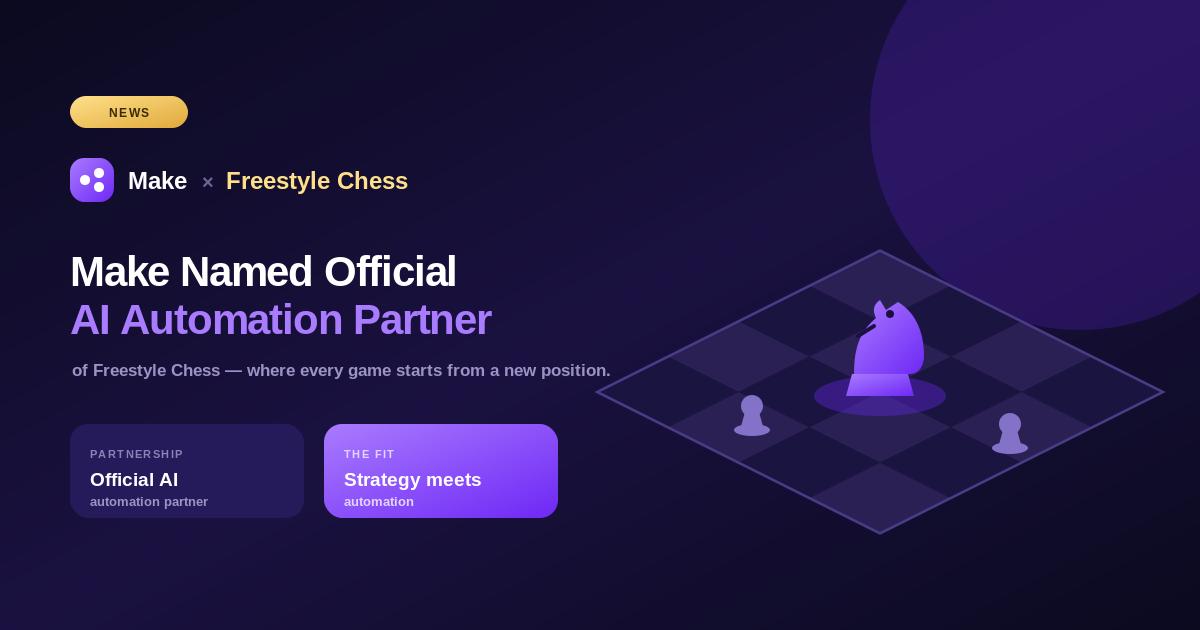
Make has expanded its presence in the AI automation space through a strategic partnership with Freestyle Chess, becoming the Official AI Automation Partner for the inaugural FIDE Freestyle Chess World Championship.
The partnership was announced in February 2026 and connects Make’s AI automation technology with Freestyle Chess’s new approach to competitive chess.
What Is the Partnership About?
The collaboration brings Make and Freestyle Chess together around the inaugural FIDE Freestyle Chess World Championship, which took place from February 13–15, 2026, in Weissenhaus, Germany.
Make was integrated into key event touchpoints, including broadcast, on-site activities, content, and storytelling.
The partnership is designed to position Make as an automation platform for organizations looking to adopt AI-powered workflows and agents.
Make’s Growing AI Focus
Make has increasingly positioned itself beyond traditional workflow automation.
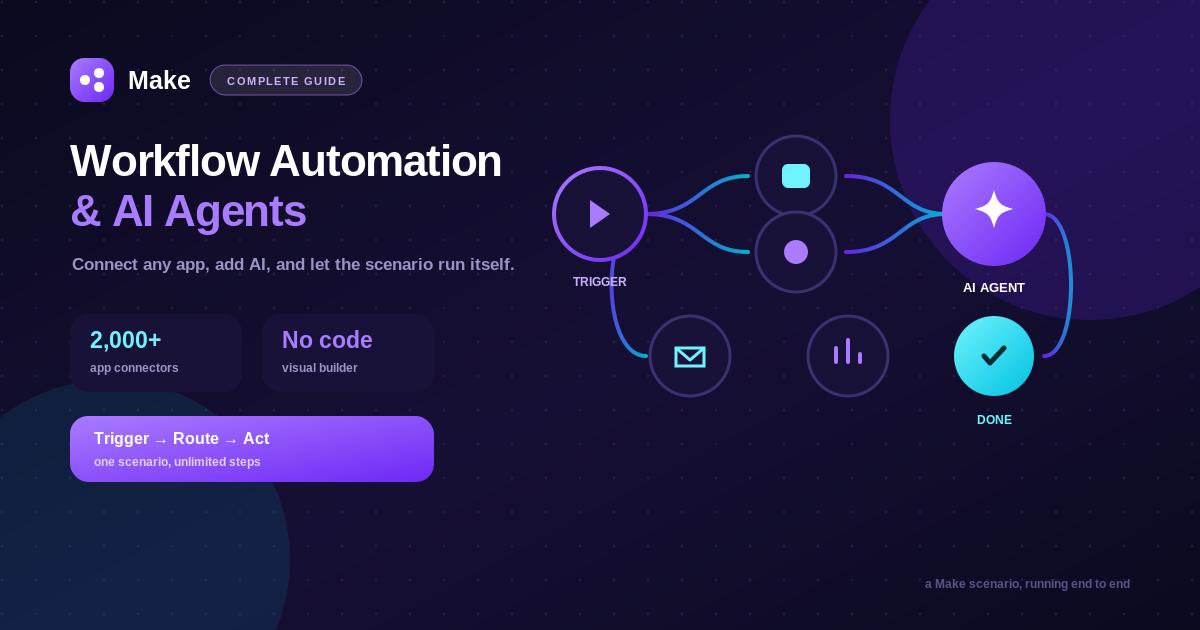
Its platform now focuses on combining visual automation with AI tools and AI agents. Businesses can use Make to connect applications, automate processes, and incorporate AI into workflows.
This makes partnerships such as the Freestyle Chess collaboration part of a broader effort to associate Make with innovation and the emerging AI automation ecosystem.
Why Freestyle Chess?
Freestyle Chess focuses on a modern competitive format designed to bring a new audience to the game while maintaining its strategic character.
The organizations identified a common focus on innovation and challenging traditional approaches.
For Make, the partnership provides an opportunity to connect its AI automation brand with a rapidly developing global sports property.
Partnership Beyond the World Championship
The collaboration is not necessarily limited to the championship event.
The partnership announcement highlighted potential future collaboration across additional Freestyle Chess properties, including Freestyle Friday broadcasts, the Freestyle Chess Open, and future Grand Slam events.
This could give Make additional opportunities to demonstrate how automation and AI can support modern organizations and content-driven events.
What This Means for Make
The partnership reinforces Make’s positioning around AI-powered automation.
As businesses increasingly explore AI agents and automated workflows, platforms such as Make are competing to become part of the infrastructure businesses use to connect AI with their everyday processes.
The Freestyle Chess partnership gives Make another public platform to communicate this positioning.
What Businesses Can Learn
The partnership also reflects a wider shift in how automation companies are positioning themselves.
AI automation is increasingly being presented not simply as a way to automate repetitive tasks, but as a way to redesign business workflows.
Businesses can use platforms like Make to connect:
Apps → Data → Automation → AI → Business Actions
This can help organizations build more connected digital processes.
The Bigger AI Automation Trend
AI automation continues to become a major focus across business technology.
Traditional automation generally follows predefined rules, while AI-powered workflows can work with unstructured information and support more adaptive processes.
This is contributing to growing interest in AI agents, workflow orchestration, and autonomous business processes.
Make’s partnership with Freestyle Chess comes at a time when businesses are increasingly exploring these technologies.
Final Verdict
Make’s partnership with Freestyle Chess represents another step in the company’s broader AI automation positioning.
By becoming the Official AI Automation Partner of the inaugural FIDE Freestyle Chess World Championship, Make has connected its brand with an organization focused on innovation and a rapidly evolving global sporting format.
The partnership also highlights the growing role of AI automation beyond traditional business software, as companies increasingly look for ways to connect AI, workflows, data, and real-world operations.